
Finding the best time to visit Whitehaven Beach
The best time to visit Whitehaven Beach is a balance between rainfall, temperature and the conditions for the boat journey you choose. In the Hamilton Island Airport record, August to October is markedly drier than January to March. That makes those months a useful starting point for a rainfall-led decision, while the actual forecast and sea conditions still matter for an individual excursion.
Separate the month from the day's itinerary. A drier month does not settle wind, swell, underwater visibility or access to Hill Inlet. First choose whether your priority is a southern beach visit, a lookout walk or a sailing trip with a night aboard. Then use the weather pattern to narrow the dates and the beach tour comparison to select the kind of visit that suits your plans.
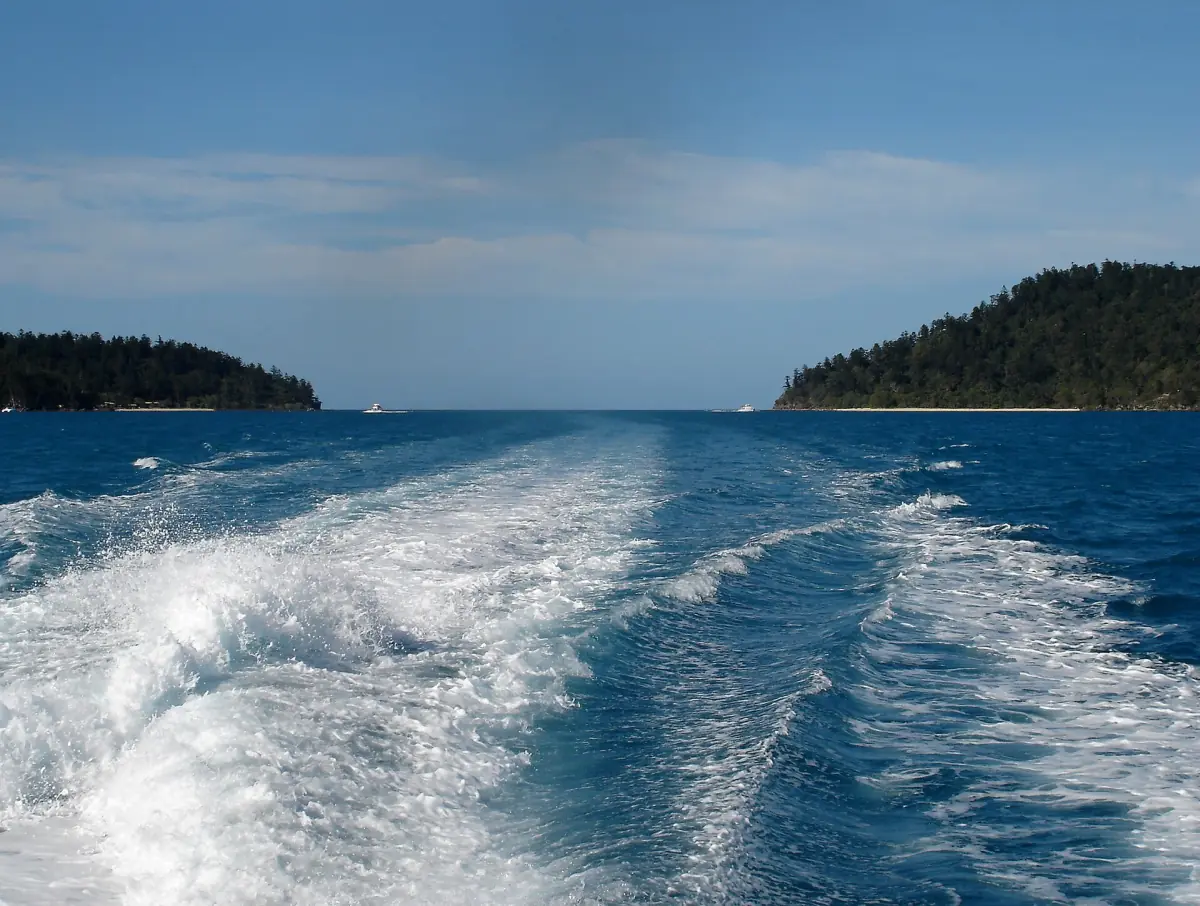
Whitehaven Beach weather: the nearby island record
The monthly figures come from the Bureau of Meteorology's Hamilton Island Airport station 033106, at an elevation of 59 metres. The table was created on 31 October 2026 and covers “All years of record”, 2002 to 2026, with 25 data years for temperature and 23 for rainfall. These are nearby airport observations rather than measurements taken on Whitehaven's sand.
Maximum and minimum temperatures are the means of daily highs and lows. Rainfall is the mean monthly total. Use the values to compare the shape of the year, rather than expecting a particular day to reproduce a monthly average. A wet month can still contain different daily conditions, and a relatively dry month still calls for a forecast check before heading out on the water.
| Month | Mean maximum °C | Mean minimum °C | Mean rainfall mm |
|---|---|---|---|
| January | 29.9 | 24.9 | 297.6 |
| February | 29.6 | 24.8 | 293.3 |
| March | 28.8 | 24.5 | 231.2 |
| April | 27.0 | 22.9 | 154.6 |
| May | 24.3 | 20.7 | 95.4 |
| June | 22.3 | 18.9 | 56.9 |
| July | 21.6 | 18.1 | 51.4 |
| August | 22.8 | 18.5 | 26.4 |
| September | 25.2 | 20.2 | 24.6 |
| October | 27.4 | 22.1 | 26.6 |
| November | 28.8 | 23.5 | 74.5 |
| December | 29.9 | 24.6 | 157.4 |
July is the coolest month in this record. August, September and October combine lower rainfall totals with progressively warmer average temperatures. January to March is wetter. Choose according to your comfort with those patterns, while leaving the boat decision responsive to the conditions of the day.
Hill Inlet: tides matter separately from the season
Lower water can reveal the inlet's sand patterns, which is why it is recommended for that particular view. Boat access is a different question: QPWS describes access at medium to high tide. A photograph showing exposed sand therefore should not determine when you try to land. Use the actual landing plan and tide conditions together.
The northern Hill Inlet and Tongue Point area is distinct from the southern beach and South Whitehaven Lookout. Select an excursion with the places you want to visit, then accept that tide and weather can alter the route. Strong currents and rapidly rising water make the inlet unsuitable for improvising a crossing to reach a viewpoint.
A park notice published on 20 October 2026 schedules partial maintenance at Tongue Point and Hill Inlet from 30 November to 4 December 2026. Parts of platforms, walkways and day-use areas will close temporarily, with at least one lookout remaining open and brief toilet closures. Use that dated notice when planning those specific dates; it concerns parts of the lookout infrastructure.
Stinger and cyclone seasons
Safety guidance checked on 5 November 2026 identifies November to May as the typical period of increased marine stinger risk in tropical Queensland. Stingers can occur outside that period. QPWS warns year-round about stingers, sharks and crocodiles and advises against swimming. Full-body protective clothing is a precaution, with continuing risks to consider; the beach has no lifeguards.
The official cyclone season runs from 1 November to 30 April, with rare events outside it. The season itself is not an automatic park closure. Monitor the forecast and park alerts, and build your transport plans around the actual conditions. Read the stinger and water safety page for the separate questions of protective clothing, currents and communication.
Planning a flexible night aboard
The sailing trip featured here runs for two days with one night aboard, departing from Coral Sea Marina at 1 to 3 Shingley Drive, Airlie Beach. Captain, crew, all main meals, snorkelling equipment and wetsuits or stinger suits are included. Hotel transfers are not included; alcohol, soft drinks and snacks are extra. The route and Whitehaven visit depend on weather, making flexibility part of the trip rather than a promise attached to a particular season.
Compare the sailing options for the time you want at sea. For a tent stay instead, the camping and accommodation guide explains water supplies and permits. In either case, organise the airport and boat journey around the chosen departure, with room to respond to updated conditions.
Our take
This overnight sailing trip offers a Whitehaven visit with a route dependent on the weather.
Hand-picked tours, booked through GetYourGuide. Prices are indicative starting prices in Australian dollars (as of October 2026). Tap a tour for live availability and the current price in your currency.
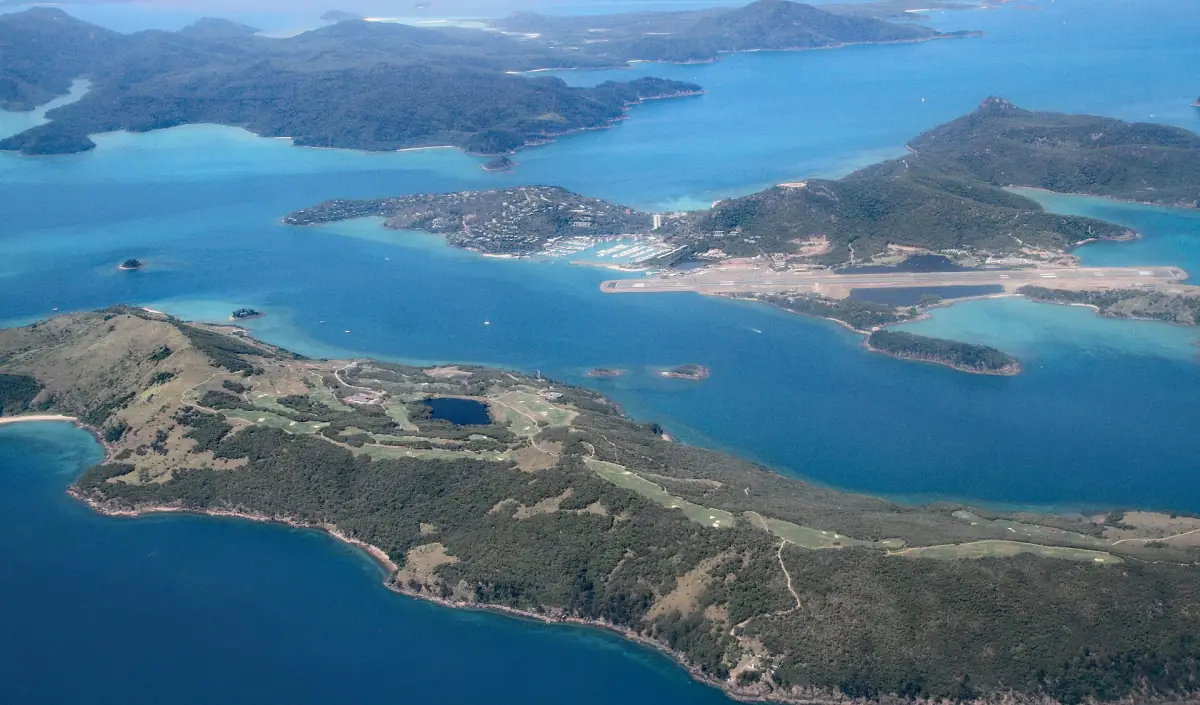
A weather-dependent Whitehaven sailing visit
Spend two days with one night aboard, with main meals and snorkelling equipment included. The sailing route and beach visit remain dependent on the weather.
Questions about choosing dates
Which months are drier?
August to October is markedly drier than January to March in the Hamilton Island Airport record. This is a climate comparison, not a forecast for your sailing date.
Is low tide the time to arrive by boat?
Low water can show the sand patterns. QPWS describes medium to high tide for boat access, so landing arrangements need their own tide assessment.
Is there a stinger-free season?
Stinger risk is typically higher from November to May, but stingers occur outside that period too. Use the year-round safety guidance for the visit.
Does an overnight trip guarantee Hill Inlet?
The featured sailing route and Whitehaven visit are weather-dependent. Choose it for a night aboard and its included services while allowing the route to respond to conditions.